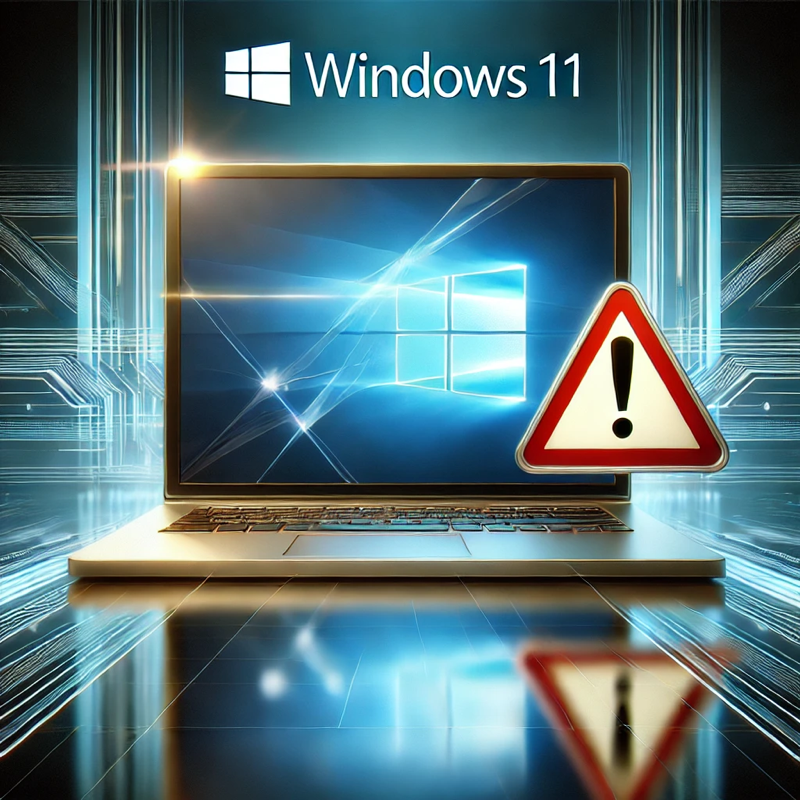
Windows 11 raised the floor for older PCs. The biggest sticking point for a lot of machines is TPM 2.0, which Microsoft requires for the supported upgrade path.
Quick answer
If your PC does not have TPM 2.0, it may not qualify for a normal Windows 11 upgrade. That does not mean the computer suddenly stops working, but it does mean you should check before planning the move.
What TPM 2.0 does
TPM is a security component that helps protect keys, credentials, and startup integrity. For Windows 11, Microsoft uses it as part of the security baseline for newer systems.
How to check your PC
Open PowerShell as Administrator and run:
(Get-CimInstance Win32_TPM).TPMVersion -ge 0x20000If the result is True, the machine reports TPM 2.0 support. If it is False, the PC may not meet the official Windows 11 requirement.
If your PC does not qualify
The practical options are simple: keep using Windows 10 while it is supported, check whether TPM can be enabled in firmware, or plan for newer hardware when it actually makes sense. I would not replace a working machine just because an upgrade screen says no, but I would avoid forcing Windows 11 onto production gear without a good reason.